How to Increase Views on Facebook: 2026 Algorithm Secrets
Facebook views no longer increase due to luck or frequent posting, as they did in the past. Entering 2026, Facebook’s algorithm has undergone profound changes, prioritizing user experience, watch time, and genuine engagement levels. This causes many individuals and businesses to post content regularly, yet views remain “stagnant.”
In this article, BlackHatWorld will work with you to deconstruct how the 2026 Facebook algorithm actually works, while sharing proven secrets to help content reach the right people at the right time and break through with sustainable views.
Facebook Algorithm Trends in 2026: Advertisers need to know
Entering 2026, the Facebook algorithm is no longer as “easy-going” as before. This platform increasingly prioritizes user experience, dwell time, and meaningful interaction. If you still apply the old posting mindset, it is very easy to fall into a situation where content is good, but reach is low. Below are the core trends that advertisers and content creators need to grasp firmly.
Restrict placing direct links in posts
This is one of the points that frustrates many advertisers, including us. But the reason behind it is very clear. When you place a direct link in a post, users will click and leave Facebook. Meanwhile, what Facebook wants most is to keep users on the platform as long as possible to continue displaying paid ads.
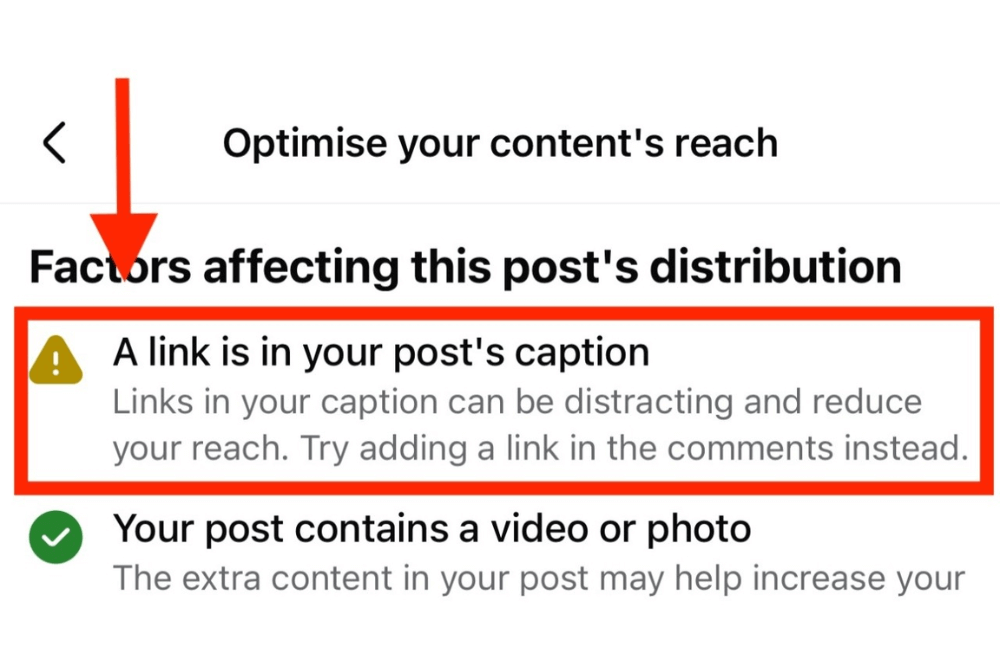
For Facebook, the ideal scenario is that users stay, advertisers run ads to get leads and revenue, and then continue to spend more money. Therefore, posts that pull users off the platform often suffer from reduced organic distribution. For example, if you sell a course and attach a landing page link right in the caption, the organic reach potential will be lower than telling a story, creating discussion, and leaving the link in the first comment.
Organic reach in the 2025–2026 period
A truth that many have not yet accepted is that the average organic reach rate of a Fanpage is currently only about 1.5–2%. This means if your page has 10,000 followers, only about 150–200 people will see the post initially.
Usually, the group that sees it earliest is friends, relatives, or highly engaged followers. This is perfectly fine, as this is the warm-up phase for the audience. If the post receives likes, comments, shares, or saves, Facebook will evaluate the content as valuable and begin to expand distribution from 10% to 20%, then 30%, and further. Only then does the post have a chance to go viral.
Compared to Facebook, Instagram currently has a slightly higher reach rate, around 3–4%. But the principle remains the same: without engagement, Facebook will stop distribution immediately.
How many posts should be published, and how important is quality?
We usually recommend that you post about 3–5 times per week. Posting too little provides insufficient data for the algorithm, while posting too much with poor content will be counterproductive. Content quality is a mandatory factor, especially if you are doing business. Good content must make users stop, rather than scroll past unconsciously. Shaky videos, blurry images, poor audio, bad colors, or a lack of highlights will be “remembered” by Facebook as low-quality content and lead to a long-term decrease in reach.
Conversely, well-edited videos with text overlays, suitable music, clear audio, good colors, and especially a clear hook from the beginning will retain viewers longer. The longer viewers stay, the more Facebook favors further distribution.
Do Emojis really help increase engagement?
The answer is yes, and it is more effective than many people think. Emojis help stimulate emotions, make content less dry, and create a friendlier feeling. According to many statistics, posts with emojis can significantly increase likes and shares compared to text-only posts. For example, an ad-running experience sharing caption, if interspersed with a few reasonable emojis, will be much easier to read and interact with.
Warming up the audience before posting important content
In the 2025–2026 period, Facebook highly values meaningful interactions such as comments, shares, and saves, which are even more important than likes. Warming up the audience means that about 30–50 minutes before posting important content, you proactively visit the page, interact with close followers, reply to old comments, or send internal messages to your team and post creatives for the warm audience.
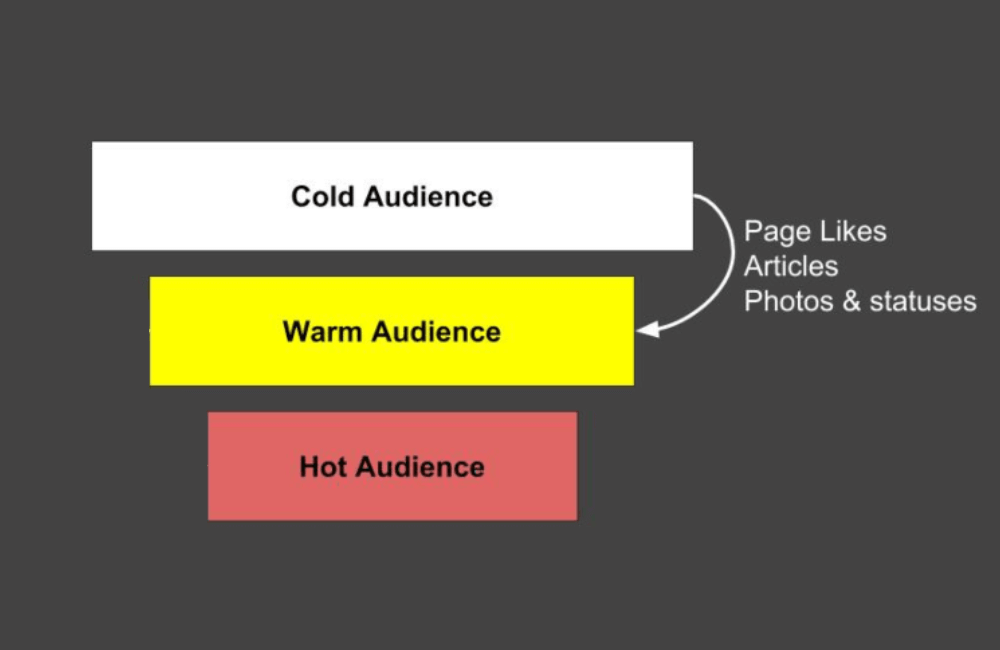
For example, for large businesses, we often recommend messaging in internal groups that an important post is coming and asking team members to like, comment, and share. When the post goes live and receives early interaction, Facebook will understand that the content is high quality and start pushing reach.
Attention span
User attention spans are becoming increasingly shorter. With static posts, you only have about 2 seconds. With videos, the first 3 seconds are a matter of life and death. If there is no clear, direct hook that hits the problem, users will immediately fall into the state of scrolling past.
The hook needs to be combined with high-quality images or videos. For example, instead of starting with a general sentence, start with a headache problem that the customer is facing.
Thumbnails and video avatars
Thumbnails are no longer optional but almost mandatory. An eye-catching, colorful thumbnail with graphics and a clear message will increase the stop rate and lead to significantly better organic reach.
Do not turn Facebook into a sales market
If you post sales, promotions, discounts, or stock clearances every day, users will quickly hide your posts or unfollow. Facebook records that behavior and reduces the distribution of your content. We recommend applying the 80/20 rule.
- 80% of content should be sharing, education, stories, behind-the-scenes, lifestyle, or useful values.
- The remaining 20% should be for sales and promotions. Facebook is a social network, not an e-commerce platform.
Captions and subtitles are increasingly important
Subtitles can help significantly increase views and completion rates, especially when the majority of users do not turn on sound. The current trend is watching videos with clear, concise, and easy-to-understand captions. A good video without captions is very easy to ignore.
Hashtags and the use of @followers
With Instagram, you can use about 3–5 quality hashtags. With Facebook, 1–2 hashtags are enough, or even unnecessary if the content is good. Avoid spamming hashtags as it brings no benefit. Regarding the use of @followers, Facebook is tightening control very strictly. Abuse will annoy users, cause them to hide posts, and lead to a long-term reduction in page reach. You should only use it when truly necessary.
AI is a tool, not a cure-all
We love AI, but we also always remind advertisers not to let AI use them back. Facebook still prioritizes humanized content such as real people, real stories, and real experiences. AI is suitable for supporting ideas, entertainment, or creating humorous content. However, if overused, viewers will doubt the authenticity of the business. Use AI moderately, strategically, and always keep the human element at the center.
How to Increase Views on Facebook: 2026 Algorithm Secrets
To increase views on Facebook sustainably in 2026, we have observed that advertisers and creators cannot just post based on intuition. The Facebook algorithm currently clearly prioritizes content that keeps users on the platform, generates real interaction, and diversifies experiences. Below are the core strategies that we have applied in practice, which have brought clear results for many pages and fanpages.
Prioritize original conversational content on Facebook
The first, and also the most important strategy, is to post original conversational content directly on Facebook. The reason is very simple: the Facebook algorithm absolutely prioritizes posts that make users stay on the platform longer. If you are posting to lead viewers to YouTube, websites, or Linktree, we recommend you stop immediately. Facebook does not like you “borrowing” their platform to drive traffic elsewhere.
For example, a post with a YouTube link, even if posted on Facebook, is inherently not content intended for Facebook. Similarly, posts featuring Linktree with a series of external links also cause users to leave the platform immediately. The algorithm evaluates these types of content very poorly.
Instead, focus on creating content that makes users converse directly on Facebook. The most effective formats include open-ended questions, polls, posts that spark debate, or shares of personal opinions. For instance, with just a simple question like “If you could choose only one skill to develop this year, what would you choose?”, many fanpages have generated hundreds of comments, shares, and reactions. This is precisely the signal that the Facebook algorithm loves: users staying longer and engaging authentically.
We once worked with a coach who frequently posted on Facebook with YouTube links. At first, he did not notice, but over time, post reach gradually decreased and then dropped sharply. When he stopped directing viewers to YouTube and switched to native conversational content on Facebook, his reach doubled after only one week. This shows how important it is to keep the conversation right on Facebook.
Create micro engagement as early as possible
A secret that not everyone knows is that Facebook particularly tracks the first 60 minutes after you post. During this period, the algorithm will evaluate whether the content receives interaction or not. If there are early likes, comments, or shares, Facebook will understand that this post provides real value and immediately expand the distribution range, not only for followers but also for those who do not follow you yet. Therefore, our task and the task of advertisers is to “train” the audience to interact early. A very effective way is to proactively trigger micro engagement as soon as the content is posted.
For example, in a livestream session we conducted in a Facebook group, the video received over 600 comments and many hearts in a short time. The algorithm saw this signal and continued to push the livestream to more members in the group.
To achieve that, we prepare a list of potential customers most interested in the livestream topic and send Messenger messages as soon as the live session begins. The message content is very simple, clearly stating the value they will receive if they join to watch. You can completely apply this method to new posts or videos. Message a small group of people who are truly interested, explaining why this content is useful to them. You can do this manually or use automation tools to save time.
Diversify content formats to avoid boredom
A common mistake we often see is many profiles or fanpages posting the same type of content repeatedly. Same structure, same tone, same CTA, even looking at it, one can tell it was created by AI. ChatGPT is a very good tool, but if overused, you will fall into the repetitive content trap. When the audience starts to get bored, engagement drops, and Facebook will stop distributing your posts.
The solution is to apply the 70–20–10 rule. About 70% of content should be educational, such as sharing knowledge, experiences, and real stories. 20% of content is used to increase engagement, such as memes, polls, or questions. The remaining 10% is for direct calls to action such as comments, inboxes, or purchases. This diversity helps the audience always feel refreshed, thereby maintaining regular engagement and keeping the algorithm continuing to distribute your content.
Maximize the use of videos and Reels to reach new people
Currently, Meta has integrated all video content on Facebook into the Reels ecosystem. Whether you post short videos, long videos, or livestreams, all are distributed through Reels. The biggest strength of Reels is the ability to reach people who have never followed you.
=> This is an extremely effective tool to expand to new audience sets. In addition, you can also create Reel videos to make money on Facebook.
We only post about one Reel per week, but because the content is very niche-specific, just a few thousand views bring great value. For small niches, hundreds or thousands of quality views are better than tens of thousands of views from the wrong audience. Whether your niche is large or small, videos and Reels remain the fastest way for Facebook to bring your content to new people in 2026.
Increasing Facebook views in 2026 is no longer about posting a lot for luck, but about correctly understanding how the algorithm operates and creating content suitable for user behavior. When you focus on original content, trigger early engagement, diversify formats, and leverage Reels intelligently, Facebook will automatically distribute your content more widely and sustainably over time.
Frequently asked questions
Typically, you can see positive signals after just 1–2 weeks if you post regularly, focus on original content, and have early engagement within the first 60 minutes.
Yes. If the content is niche-specific, creates conversations, and leverages Reels, a new Fanpage can still reach viewers organically without needing a large advertising budget.
💬 Contact now for free consultation from BHW!
- Website: https://vi.blackhatworld.io/
- Telegram: @bhw_agency
- Whatsapp: +84819001811
- Wechat: bhwagency
- Email: [email protected]
This article is also available in other languages: