Is Gambling on Facebook illegal? Understanding Meta’s Strict Policy and Licensing Rules
Online gambling is becoming increasingly popular, and Facebook, with billions of users, has become one of the platforms used to run Meta gambling advertising campaigns. However, is gambling on Facebook legal? The answer is more complex than you think. In this article, BlackHatWorld will work with you to clarify Meta’s strict regulations, licensing requirements, and the potential risks that users and advertisers need to understand to avoid policy violations. This is extremely important information if you are operating a fanpage, running ads, or participating in any activity related to gambling on this platform.
BlackHatWorld Agency, with over 10 years of experience in Facebook Ads, provides a specialized advertising resource system tailored for restricted and sensitive product categories. We are proud to offer high-quality advertising account rental services, helping advertisers overcome common challenges when running their campaigns.
Besides that, we also support many other sensitive categories with flexible and reliable solutions. Our robust account system covers multiple time zones, currencies, and countries, allowing you to choose the most suitable option for your strategy. In addition to providing high-quality accounts, our competitive rental fees and attractive incentives are also our advantages. Most importantly, our transparent warranty policy is always ready to back up accounts in case of incidents, ensuring continuous and stable advertising performance for customers.
Is Gambling on Facebook illegal?
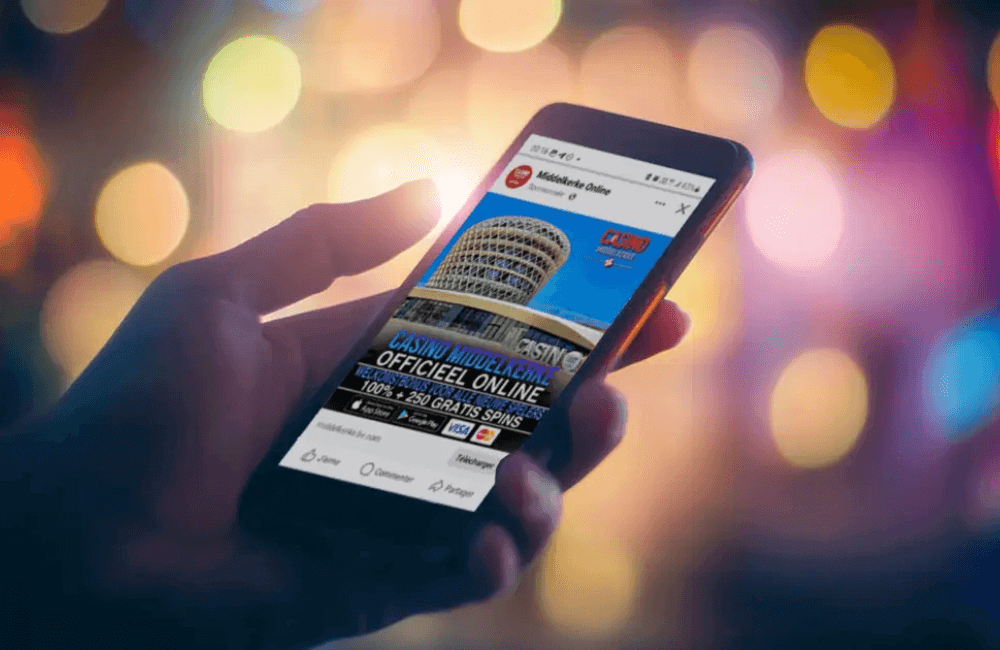
As activities on the Facebook platform become more diverse, many users wonder whether forms of gambling appearing in groups, livestreams, or game applications violate the law or Meta’s policies. For advertisers, online sellers, or community managers, understanding the regulations is extremely important to avoid risks such as account suspension, page restriction, or limited features. Below, we will help you analyze this clearly and in an easy-to-understand way.
Facebook Strictly Prohibits Unlicensed Gambling Activities
According to Meta’s policy, any content related to money-based gambling without legal authorization is prohibited. This includes activities such as running lottery betting in private groups, livestreaming card games with cash rewards, or sharing links to illegal casino websites. For example, many users livestream “poker” or “betting” allowing viewers to transfer money directly. This is strictly forbidden, and Facebook may immediately disable accounts, pages, or even the entire Ads Manager.
Some related content may still be allowed if it is legally authorized
However, there are exceptions. If a business holds a valid license from the competent authorities and works directly with Meta, certain types of ads or content related to reward-based games may be approved. This typically applies to international casino companies, legally licensed betting operators, or certified gaming apps. However, most regular Facebook users and small-scale advertisers will not fall into this permitted group.
Content featuring “luck-based games” without cash rewards may still be accepted
Entertainment-oriented activities such as mini spin games during livestreams, trivia games offering product gifts, or comment-based minigames that do not involve real money are generally not considered gambling. As long as you do not collect money, do not exchange rewards for cash, and do not trigger betting behaviors, Facebook will treat these as normal interactive games.
For example, a shop offering a voucher to viewers who answer a question correctly during a livestream is fully compliant.
Activities Facebook Considers as Gambling-Related Advertising on the Platform
When you or advertisers launch campaigns related to games, apps, or reward-based offers, it is essential to understand precisely how Facebook defines “gambling advertising.” Meta enforces strict regulations, and even small inaccuracies can lead to ad rejection, account restriction, or permanent disablement.
According to Meta’s policy, online gambling is defined as any game or product that allows participants to win real money. This money can be cash, digital currency, or cryptocurrency. For example, if an app allows players to deposit funds and receive rewards in USDT or Bitcoin, Meta still classifies it as a form of gambling.
Activities Related to iGaming
We must note that all iGaming-related activities are subject to Meta’s controls. For instance, any platform offering online casino games or roulette must obtain Meta’s approval before running ads.
Sports betting, casino, lottery, slots, bingo, poker, and sweepstakes
All types of betting, regardless of scale, are classified as gambling. An online lottery service or a mini-poker app offering cash rewards also falls under violation if ads are not pre-approved.
Games Involving Money
This includes any game in which users must deposit money to participate or have the chance to receive monetary rewards upon winning. For example, a mobile game requiring a 20,000 VND deposit and awarding 200,000 VND to the winner is considered gambling.
Landing Pages Containing iGaming Ads or Content
Even if users cannot play directly on the page, landing pages containing banners, pop-ups, or descriptions related to iGaming are still flagged by Facebook as gambling advertising. For instance, if you promote a blog post but the article contains a banner linking to an online casino, your ad may still be rejected.
Free-trial games requiring payment afterward
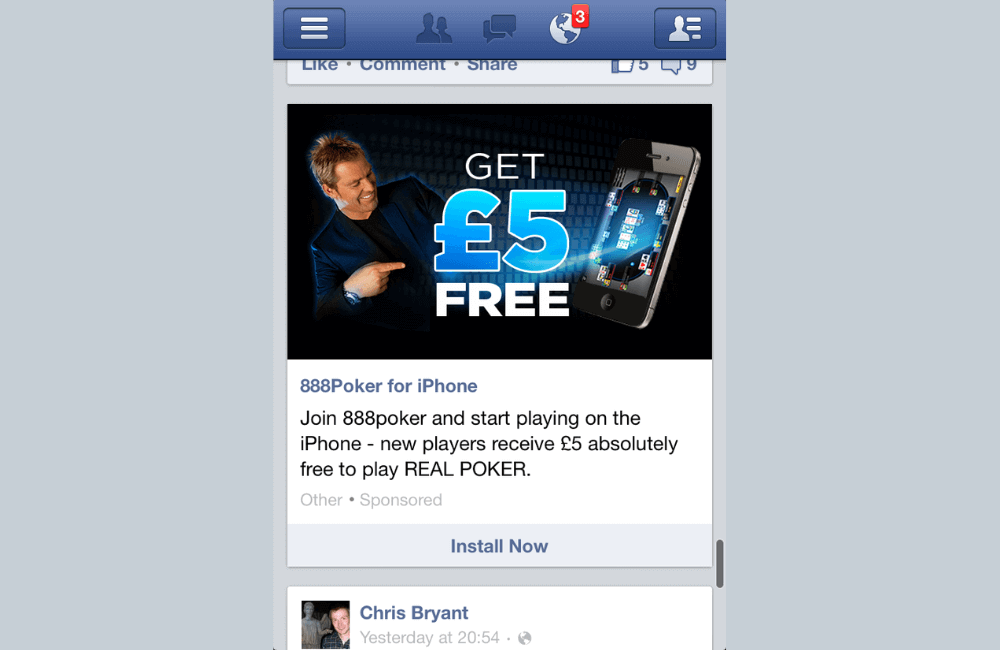
Meta states that games offering an initial free trial but later requiring payment to continue or to unlock rewards are still considered gambling-related activities. For example, a game may offer the first five rounds for free but require users to deposit money to unlock reward modes.
We understand that many advertisers may be confused when their product is not “gambling” in the traditional sense. However, if the service or landing page contains any element related to iGaming, monetary rewards, or a play-to-win-to-redeem mechanism, Facebook will classify it as gambling advertising. Understanding this from the beginning helps you avoid account restrictions and ensures stable, long-term campaign performance.
Learn Meta’s Strict Licensing Policies and Requirements for Gambling Advertising
Before you or any advertiser launches any gambling-related offer on Facebook, we recommend reviewing Meta’s policies and its list of restricted GEOs. This step is extremely important because Meta continuously updates the list of countries where gambling-related advertising is prohibited, even if your operator is legally licensed in that region. For example, many new advertisers assume that “having a license is enough,” but on Facebook, that has never been a guarantee. Targeting restricted GEOs may lead to immediate account deactivation.
Below are the countries currently not supported by Meta for gambling advertising:
- Azerbaijan
- Bangladesh
- Egypt
- Hong Kong
- Indonesia
- South Korea
- Kyrgyzstan
- Malaysia
- Mongolia
- Myanmar
- Pakistan
- Philippines
- Saudi Arabia
- Singapore
- Taiwan
- Thailand
- Vietnam
We would like to emphasize that even if a GEO permits iGaming advertising, you still need to verify the legal age requirement and all applicable restrictions. For example, some countries permit gameplay only for users over 21, while others set the minimum age at 18. Therefore, you must comply with each country’s specific regulations, not only the default Meta policy.
It is important to note that Meta does not allow targeting users under 18 in any circumstance. If a country requires a minimum age of 21, you must also set the targeting age accordingly to ensure campaign eligibility and safety.
Guidelines for Obtaining Authorization for Gambling-Related Advertising on Facebook
To run gambling-related ads on Facebook legally and safely, both our team and advertisers must comply with Meta’s strict authorization process. This ensures that campaigns are not rejected, minimizes account-level risks, and guarantees that your ads follow all applicable policies. Below is a step-by-step guide to help you implement the process smoothly and correctly.
How to Receive Official Permission from Meta
This is the most critical step that any advertiser or affiliate must complete before launching gambling ads. You are required to obtain valid authorization from Meta prior to activating any campaign.
For example, if you are running online casino ads for the Canadian market, Meta will ask you to verify that you are licensed to collaborate with the operator in that specific GEO.
How to request Meta authorization:
- Submit a request via Meta Business Suite under the Permissions and Verification section.
- Clearly describe your role. For instance: “I am an affiliate promoting sports betting services for Operator X in the UK market.”
Meta will review and validate all submitted information before granting permission for you to start the campaign.
If you use the operator’s own advertising account, you will not be required to request separate authorization. However, if you are running ads through a personal account or a rented account, this step is mandatory.
Upload all required documents
Under Facebook’s advertising policy, advertisers or affiliates must provide a set of documents proving their legitimate relationship with the gambling service operator. This allows Meta to verify that you are promoting a properly licensed entity, minimizing the risk of fraud or unlawful activities. The required documents include:
- The operator’s valid business license.
- Documentation verifying the partnership between you and the operator, signed by both parties.
- The operator’s business information: company name, full legal name, and website.
- • The landing page URL you use for running advertisements.
Facebook only approves ads if the operator holds a valid license in the target GEO.
For example, running ads for the Italian market requires a license from ADM (Agenzia delle Dogane e dei Monopoli).
Review your ad copy and creatives
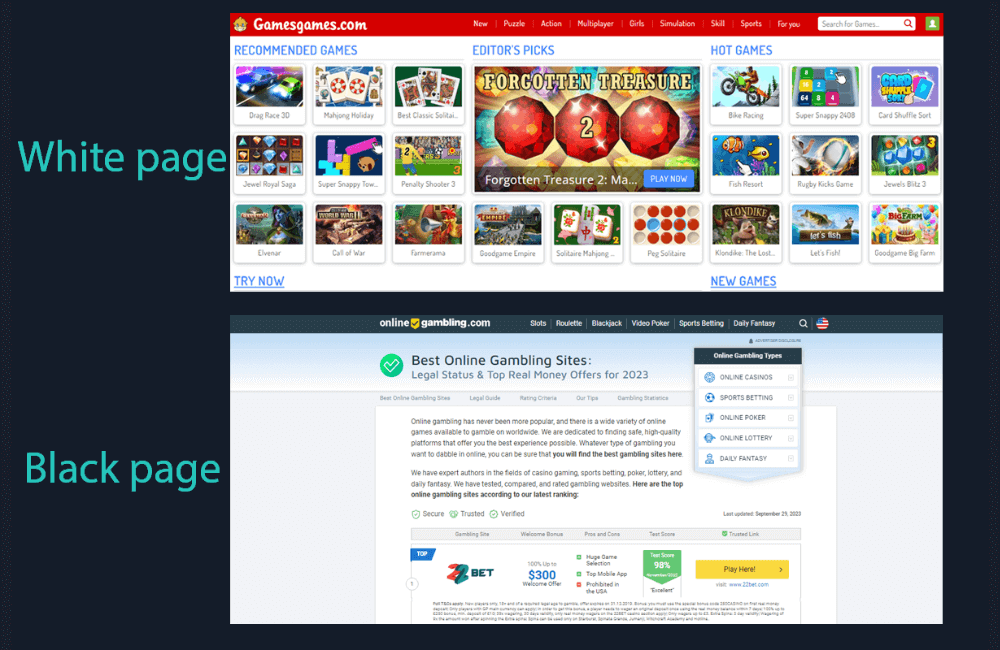
Gambling-related content is always subject to strict control. We often remind advertisers that even a single incorrect phrase or an overly provocative image can lead to rejection or account restrictions. For safer operation, you should consider using cloaked ads on Facebook. Avoid the following:
- Do not promise “quick earnings,” “guaranteed income,” “100% win rate,” or “get rich overnight.”
- Do not use misleading visuals or calls-to-action, such as wallets full of cash, wealth symbols, or phrases like “Play to win.”
- Do not offer fake bonuses, false incentives, or inaccurate information.
- The landing page will also be scanned and evaluated by Meta, so it must follow the same standards as the ad.
A common violation example: using a headline such as “Receive USD 5,000 upon registration – No betting required.” This type of claim is misleading and will certainly be rejected.
Take responsibility for your ads
Even if the operator you work with has full licensing, you are still directly responsible when using your own ad account. Meta has the right to remove authorization or decline approval if you violate platform rules. Possible penalties include:
- Ad account shutdown
- Restrictions on the entire Business Manager
- Permanent bans across all Meta platforms
Therefore, we always advise advertisers to double-check policies, run small-scale tests, and ensure transparent, truthful content.
Advertising or participating in gambling-related activities on Facebook is not entirely illegal, but Meta applies extremely strict control through licensing, verification, and rigorous content standards. We recommend advertisers fully comply with regulations, prepare all required documentation, and deliver transparent content to avoid violations. Understanding Meta’s policies is the key to running safe, sustainable, and compliant campaigns.
Frequently asked questions
No. Meta requires all advertisers related to gambling to hold a valid license from the operator and obtain prior authorization from Meta before running any ads. Without a license, the ads will be rejected or the account may face restrictions.
If you run ads directly using the licensed operator’s account, you do not need to submit a separate authorization request. However, if you use a personal account, a rented account, or an agency account, obtaining approval from Meta is mandatory for the ads to be accepted.
💬 Contact now for free consultation from BHW!
- Website: https://vi.blackhatworld.io/
- Telegram: @bhw_agency
- Whatsapp: +84819001811
- Wechat: bhwagency
- Email: [email protected]
This article is also available in other languages: